Why Do Some Casinos Feel Smoother Without an App?
In the crowded world of online gambling, user experience (UX) has emerged as the new battleground for casinos vying to win and retain players. While many brands push native app downloads, a growing number of browser-based casinos are proving that a no download approach can deliver a consistent UI and a more seamless experience — especially on mobile devices. This shift is not accidental but reflects advances in technology, design philosophy, and the evolving expectations of real players.
In this post, we’ll explore why some casinos truly feel smoother playing directly through their websites rather than forcing an app install. Along the way, you’ll see why companies like MrQ, industry testing leader iTech Labs, and content agency Touching Messages gravitate toward responsive, browser-first experiences to create frictionless gambling environments.
The Rise of UX as the Key Differentiator
In the early days, online casinos were almost entirely judged by their game variety and bonus terms. Today, players expect more — a smoother and faster journey from opening the site to finishing their session is now a defining factor. User experience encompasses hundreds of details: from how quickly a game loads, to the clarity of menus, the simplicity of depositing money, and even how consistent the layout remains across devices.
This focus on UX is why many brands have started prioritizing web technologies that leverage modern web browsers' capabilities. Top-tier testing labs like iTech Labs ensure games run reliably and fairly, but even perfectly certified games can feel frustrating if buried under clunky interfaces or rigid app download requirements.
Mobile-First and Responsive Design: Meeting Players Where They Are
Mobile traffic now accounts for the majority of online gambling visits, making a mobile-first design imperative. A responsive website adapts fluidly to the screen size and input method — whether a player is on a tablet in landscape mode or a smartphone gripping tight on mobile data. This flexibility often trumps native apps at maintaining consistent speed and navigation ease.
- Why responsive design matters: Unlike apps that require frequent updates through stores, responsive sites deploy changes instantly.
- Less friction: Players open a URL and start playing — no waiting for downloads or updates.
- Cross-device consistency: Home, work laptop, daily commute — the experience looks and feels familiar everywhere.
The UK’s well-known browser-based platform MrQ exemplifies this approach. They offer slot games and bingo with a clean, easy-to-navigate interface that requires no app download. This keeps their users engaged without the annoyance of storage-hungry apps or update prompts, helping maintain steady session times and player satisfaction.
Simplicity in Slot Discovery and Launch: Fewer Taps, More Play
Players typically value simplicity. The faster they can hop from login to first spin, the better the experience. This is especially true on mobile, where every tap or scroll is an added friction point on a small screen.
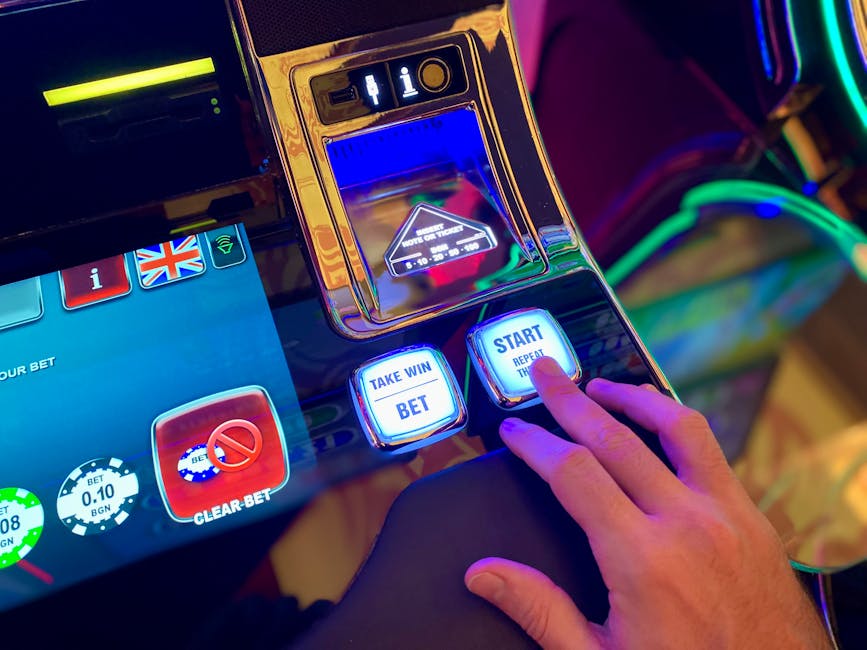
In testing casino sites on mobile data, I often count taps from login to launching a slot game. Browser-based sites generally have an edge here by avoiding the multiple screens or update nags apps sometimes impose.
- Open mobile browser and navigate to casino site.
- Log in using a clear form optimized for touch input.
- Access prominently displayed categories or a search bar.
- Tap on slot thumbnails that load instantly with minimal buffering.
- Start spinning immediately without waiting for app permissions or downloads.
Because responsive sites can also preload game data in background tabs, players report feeling less waiting time than in many apps, particularly in fluctuating mobile network conditions.
Browser-Based Play and Cross-Device Consistency: The Freedom Factor
One of the most often overlooked benefits of browser-based casinos is consistent user experience regardless of device or operating system. Native apps also come with version fragmentation — different OS versions, hardware specs, and user update behavior leads to inconsistent experiences.
By contrast, browser-based casinos leverage the universal standards of modern web browsers. These technologies include:
- HTML5 & CSS3: Rich, interactive interfaces adapt to whichever device is used.
- WebAssembly & WebGL: High-performance graphics for smooth slot animations directly in-browser.
- Service Workers & Caching: Enable offline and faster repeat visits without bulk downloads.
This technical foundation enables sites like MrQ to offer slots and bingo that look and operate identically whether accessed on iOS Safari, Chrome on Android, or a desktop browser. Players enjoy seamless transition from laptop to phone without relearning navigation or logging in multiple times.
The Role of Industry Authorities and Content Experts
Behind great browser-based casinos are trusted experts ensuring fairness, usability, and engagement. For example, iTech Labs plays a vital role as a globally recognized testing laboratory for online gaming. Their rigorous certification process confirms that games perform as advertised across browsers, building player confidence in no-download platforms.
Meanwhile, content and communications specialists like Touching Messages work with operators to craft narratives and design flows that encourage responsible gambling and clear information delivery. This casino UX trends 2026 transparency enhances user trust https://varimail.com/articles/how-casinos-keep-gameplay-consistent-across-devices/ and strengthens brand loyalty, particularly important when no app is involved to mediate the brand experience.
When Apps Still Make Sense
Despite the many benefits of browser-based casinos, native apps are not obsolete. Apps can offer:
- Push notifications that actively engage users.
- Offline play options in some cases.
- Access to device-specific features like biometric login for enhanced security.
However, many players do not want to deal with app installs and updates, especially casual gamblers or those with limited device storage. That’s why the balance is shifting toward refining browser experiences as the primary way to play while still offering optional apps for power users.
Conclusion: Browser-Based Casino UX is the Future
The convenience, consistency, and speed of no download web experiences are making browser-based casinos a preferred choice for many players today. By harnessing MrQ's elegant responsive design, backed by iTech Labs' testing assurance and enriched through thoughtful communication from groups like Touching Messages, browser-based sites are proving smoother, faster, and more enjoyable than some cumbersome apps.
Ultimately, players want gambling interfaces that feel intuitive and reliable wherever they play. With modern web browsers unlocking new capabilities daily, responsive, browser-first casino design isn’t just a trend — it’s the smart future of online gaming UX.
