Is Live Casino Streaming Basically Like a TV Studio?
At first glance, live casino streaming might seem like just another online game experience. However, dig a little deeper, and you’ll find a production setup that closely mirrors a traditional TV studio—but with its own unique twists. From multi-camera coordination to lighting control and heavy-duty encoding pipelines, live casino streaming combines broadcast style production principles with the demands of mobile-first consumption.
In this article, we’ll unpack the parallels and divergences between live casino streaming and classic TV studio workflows. Along the way, we’ll reference industry pillars like Hardware Times, MRQ (mrq.com), and the Society of Motion Picture and Television Engineers (SMPTE) to anchor our discussion in today’s broadcasting realities. We’ll also explore technical constraints around mobile streaming, multi-camera setups, encoding, and professional livestreaming best practices.
Broadcast Style Production: More Than Just a Camera on a Table
Traditional TV studios have long relied on multi-camera setups to deliver dynamic and visually engaging content. The same applies to live casino productions. Instead of a single static shot of a dealer or card table, viewers get various angles—close-ups of cards, dealer reactions, and even overhead shots for contextual understanding.
What Hardware Times emphasizes in their gear reviews and workflow breakdowns is the importance of synchronized cameras feeding into a centralized control room system. The live casino environment requires that camera feeds be switched seamlessly in real time, with little-to-no latency, ensuring players see the action unfold smoothly and clearly.
- Multi-camera studio production: Multiple feeds come from strategically positioned cameras focused on the dealer, table, cards, and sometimes player interactions.
- Control room workflow: A live switcher or video mixer operated by a director chooses camera angles and cue inserts like graphics, overlays, or animations matching the casino’s brand identity.
- Real-time communication: Dealers and production staff use intercoms or communication systems to coordinate during live streams, mimicking TV studio conditions.
But unlike a typical broadcast setup that’s optimized for large screens, live casino streams have to take into account the realities of mobile usage. That’s where the next major theme comes into play.
Lighting and Visual Consistency in a Live Casino Studio
This reminds me of something that happened wished they had known this beforehand.. You ever wonder why lighting is a staple of professional studio production, and the same principles hold true for live casinos. Consistent https://enyenimp3indir.net/what-is-redundancy-in-a-live-casino-studio-setup/ and flattering lighting conveys professionalism and trustworthiness, which are critical for online gaming environments.
Unlike a typical TV drama or talk show set, where lighting often enhances mood or drama, live casino studios aim for balance and clarity. The dealer’s face and the gaming table must be clearly visible, but without glare or distracting shadows that could confuse players or impair their ability to see cards and chips.
MRQ (mrq.com), a leader in live production tech, points out that the challenge is maintaining that visual consistency over long haul streaming hours. This involves:
- Using soft, balanced lighting spread across the key, fill, and backlight to avoid harsh shadows
- Calibrated white balance to maintain consistent skin tones and table colors across multiple cameras
- Automated luminance sensors that alert the control room if lighting drifts during the stream
Given that live casino streams often run for hours or days, what happens when a bulb overheats at hour 9? Redundancy in lighting fixtures and quick hot-swap capabilities matter just as much as in broadcast TV.
Mobile-First Streaming Constraints: What’s Different?
Here’s where live casino streaming diverges from traditional TV production in important ways. Most users are tuning in through online casino apps or mobile websites. Unlike TVs or desktop monitors, smartphones come with smaller screens, varying bandwidth conditions, and strict battery/power limitations.
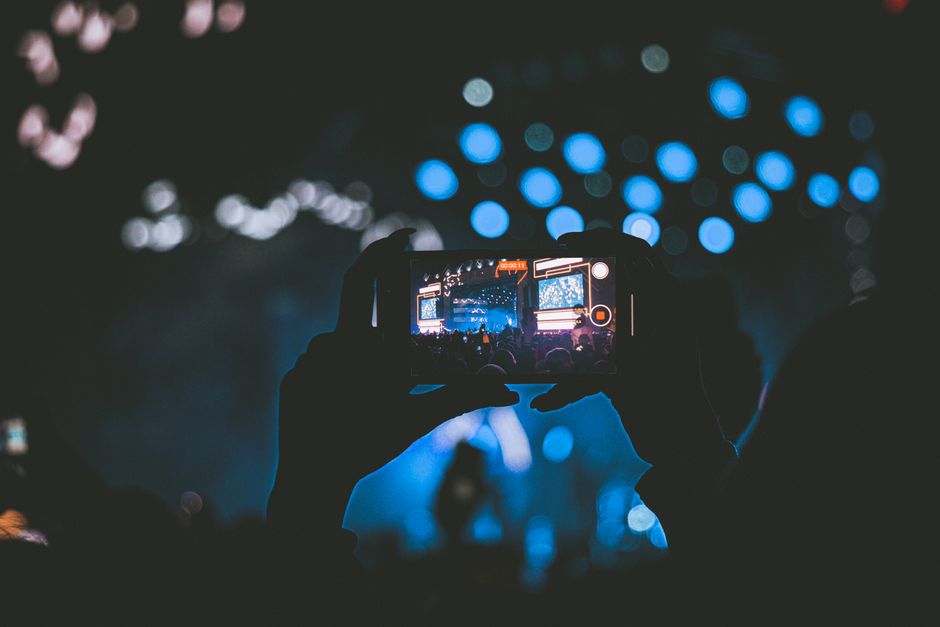
- Screen size limitations: Complex multi-camera angles have to translate cleanly onto a 5-7 inch display without overwhelming the viewer.
- Adaptive bitrate streaming: Streams adjust quality dynamically based on network conditions to minimize buffering.
- Latency tradeoffs: A few seconds delay is acceptable in TV broadcasts but detrimental in gambling, where immediate feedback influences betting decisions.
The Society of Motion Picture and Television Engineers (SMPTE) has published standards that emphasize latency optimization for interactive streaming. Live casino operators often apply these guidelines to balance compression efficiency with the need for ultra-low delay.
Encoding and Compression: The Backbone of Professional Livestreaming
Encoding live video for streaming is always a balancing act between visual fidelity, bandwidth efficiency, and latency. For live casinos, the stakes are even higher because visual clarity directly impacts user trust and gameplay fairness.. (why did I buy that coffee?)
Encoder Type Key Features Considerations Hardware Encoders Low latency, high reliability, tamper-resistant Cost, physical placement, heat dissipation Software Encoders Flexibility, rapid updates, cloud integration Higher CPU load, possible increased delay Hybrid Models Best of both worlds, optimized pipelines Complexity in setup, monitoring neededHardware Times regularly highlights that many live casino operators favor hardware encoders for their stability during 24/7 streams. But they also integrate software elements for supplemental features like graphic overlays and ingest flexibility.
Compression codecs like H.264 and HEVC remain standards, with ongoing experiments in AV1 for further efficiency gains. Whatever the codec, encoding pipelines in live casino streaming incorporate:
- Real-time error correction to prevent glitches
- Multistream delivery supporting different platforms (apps, browsers)
- DRM and anti-cheat watermarking embedded in streams
Professional Livestreaming Best Practices: Lessons From TV Studios
To wrap up, let’s list some core professional livestreaming best practices that live casino streaming borrows directly from TV studio operations:
- Redundancy everywhere: Cameras, encoders, lighting, power supplies—because what happens when this box overheats at hour 9 affects thousands of viewers in real time.
- Dedicated control rooms: Operators monitor video feeds, manage camera switches, and communicate continuously with on-floor talent.
- Comprehensive sync checks: Video, audio, UI elements all have to be in perfect sync to avoid disorienting players.
- Regular hardware and software audits: Ensuring devices remain within specs and that updates don’t break established workflows.
These standards turn a live casino stream from a simple gameplay broadcast into a polished, professional livestreaming experience indistinguishable—at least behind the scenes—from major sport or entertainment TV productions.
Final Thoughts
So, is live casino streaming basically like a TV studio? The answer is yes and no. The fundamental philosophy of broadcast style production and control room workflow applies directly. Multi-camera coordination, lighting design, and technical encoding underpin the production just like a traditional studio. But constraints imposed by mobile-first delivery, latency sensitivity, and user interactivity introduce unique challenges and adaptations.
By blending proven broadcast engineering principles with cutting-edge streaming tech—backed by insights from market leaders like Hardware Times and MRQ and standards bodies like SMPTE—live casinos are delivering polished, professional, and immersive live experiences. Next time you join a live blackjack table or spin the roulette https://varimail.com/articles/why-did-live-casinos-get-better-as-phones-got-faster/ wheel in real-time, remember: you’re watching a full-scale broadcast production designed to look effortless.